
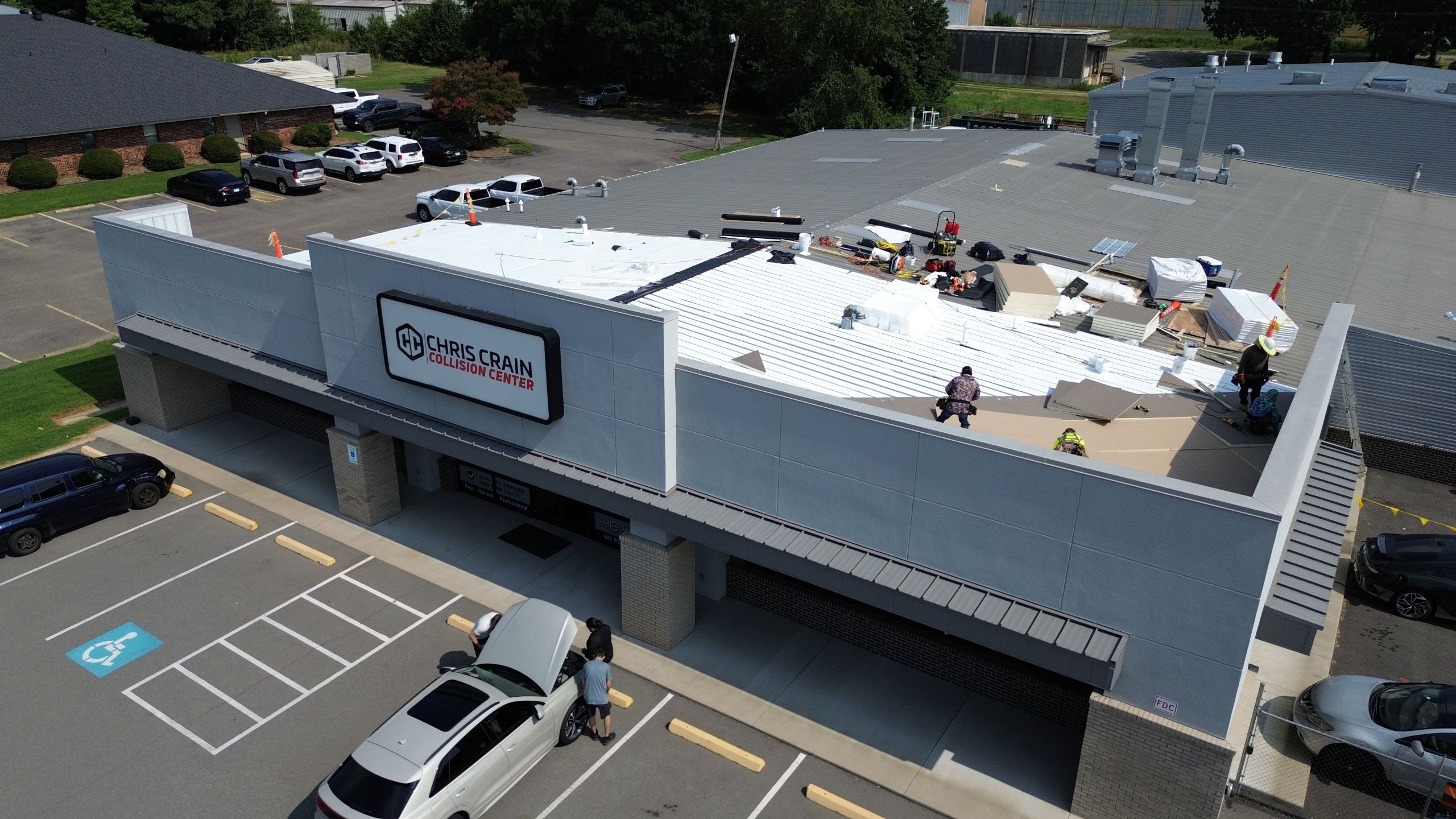
Commercial roof leaks are one of the problems a fall inspection can catch before water reaches the inside of a building. By the time fall arrives, a commercial roof has usually spent months dealing with high temperatures, strong sunlight, storms, and repeated rain. That combination can reveal weaknesses that were not obvious earlier in the year. A professional fall inspection can uncover developing problems before colder weather makes repairs more difficult or a minor defect becomes a major leak.
One of the most common findings during commercial inspections is damage around seams and flashing. These areas are especially important because they help keep water out where roofing materials meet walls, equipment, penetrations, or changes in roof direction. When flashing becomes loose or seals begin to deteriorate, water can find a path into the building.
Another frequent problem is standing or ponding water. Water that remains on a roof after rainfall may indicate poor drainage, blocked drains, damaged components, or an uneven surface. Prolonged moisture exposure can accelerate material deterioration and increase the potential for leaks. Commercial roof maintenance services often include keeping drainage systems clear so water can leave the roof as intended.
Damage Left Behind by Summer Weather
Arkansas summers can be hard on roofing systems. Heat can contribute to material aging, while storms can cause punctures, lifted sections, missing components, and other physical damage. A roof that appears intact from the parking lot may still have trouble spots that become apparent during a closer inspection.
This is why roof inspection services are valuable after the summer season. An inspector can identify issues related to storm activity, ultraviolet exposure, rooftop traffic, and normal wear. Catching those conditions early can make roof repair services more straightforward and may help prevent damage from spreading.
Drainage and Moisture Problems
Blocked gutters, drains, scuppers, and downspouts are another common finding. A commercial roof depends on an effective drainage system, especially during heavy rain. When debris restricts water flow, the roof can experience unnecessary stress and areas of prolonged moisture.
Inspectors may also find soft areas, staining, damaged insulation, or other signs that water has entered parts of the roofing assembly. These conditions deserve attention because moisture trapped below the surface can create problems that are not immediately visible from inside the building.
Cracks, Openings, and Loose Materials
Fasteners, membrane seams, penetrations, and roof edges can all develop vulnerabilities over time. Small openings may appear insignificant, but repeated exposure to rain and temperature changes can worsen them.
During a fall inspection, look closely for:
- Loose or deteriorated flashing
- Separated seams or lifted membrane sections
- Ponding water and blocked drainage points
- Stains, soft spots, or damaged insulation that may signal moisture intrusion
This is one reason commercial roofing services should include both reactive repairs and planned maintenance. A contractor can address isolated damage while it is still manageable instead of waiting for a larger failure.
Documentation Matters
A fall inspection can also create a useful record of the roof’s condition. Photos, notes, and identified problem areas give property managers a reference point for future maintenance and help teams track whether a repaired area is performing as expected. This information can be especially helpful for buildings with multiple roof sections or changing facility managers.
Instead of treating an inspection as a one-time event, businesses can use the findings to build a more organized maintenance strategy. That makes it easier to notice recurring problems and address them before they interfere with the building’s operations.
Why Fall Is an Important Inspection Season
A fall inspection creates a useful checkpoint before winter. Businesses can review findings, prioritize repairs, and determine which projects should be handled immediately and which can be incorporated into a longer maintenance plan.
For roofing in Arkansas, seasonal inspections are particularly useful because commercial properties must deal with changing conditions throughout the year. A roof that handled summer may still need attention before winter temperatures and storms arrive. For additional winter storm preparation tips, review FEMA’s winter storm preparedness checklist.
HD Roofing & Construction provides commercial roofing services for businesses and industrial properties throughout Central Arkansas. Our team can inspect your roof, identify developing concerns, and help determine whether maintenance, roof repair services, or larger improvements are appropriate.
A fall inspection is not simply about finding damage. It is about understanding the roof before the next season puts it to the test.