
Blog

Why Fall Is the Best Time to Schedule a Commercial Roof Assessment
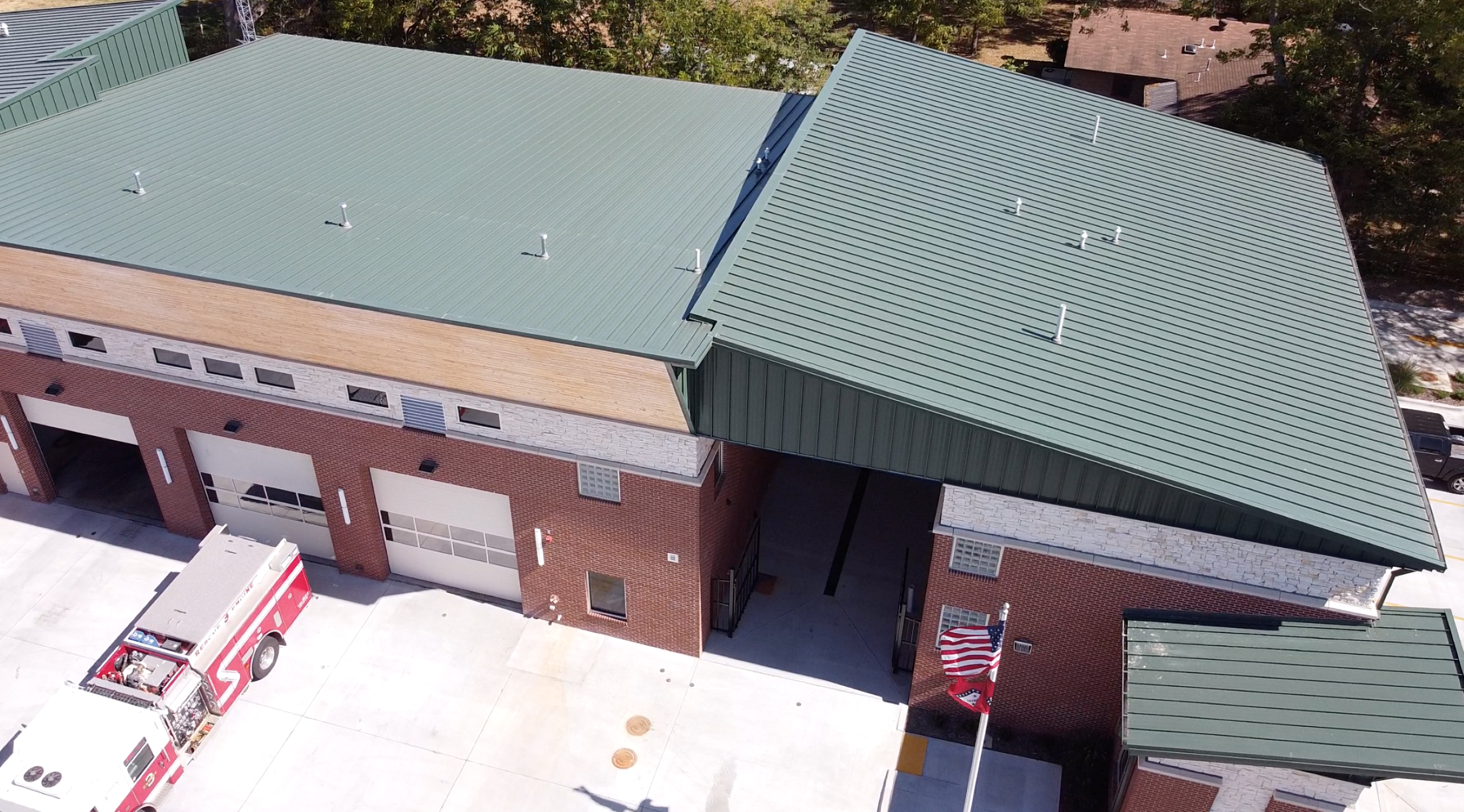
Fall is more than a transition between hot Arkansas summers and colder winter weather. For business owners and facility managers, it is also an important planning season for the roof. After months of intense sun, heat, storms, and heavy rainfall, a commercial roof has already endured some of the year’s toughest conditions. Scheduling a roof assessment in the fall gives property owners a chance to find problems, plan repairs, and prepare the building before winter creates new challenges.
Summer can be especially hard on commercial roofing systems. Extended heat can cause materials to expand and contract, while ultraviolet exposure can gradually wear down surfaces. Severe storms may leave behind punctures, lifted materials, damaged flashing, or drainage issues that are not immediately obvious from the ground. A roof assessment can bring these hidden concerns to light before they become expensive disruptions.
Common Roofing Problems Found During Fall Commercial Inspections
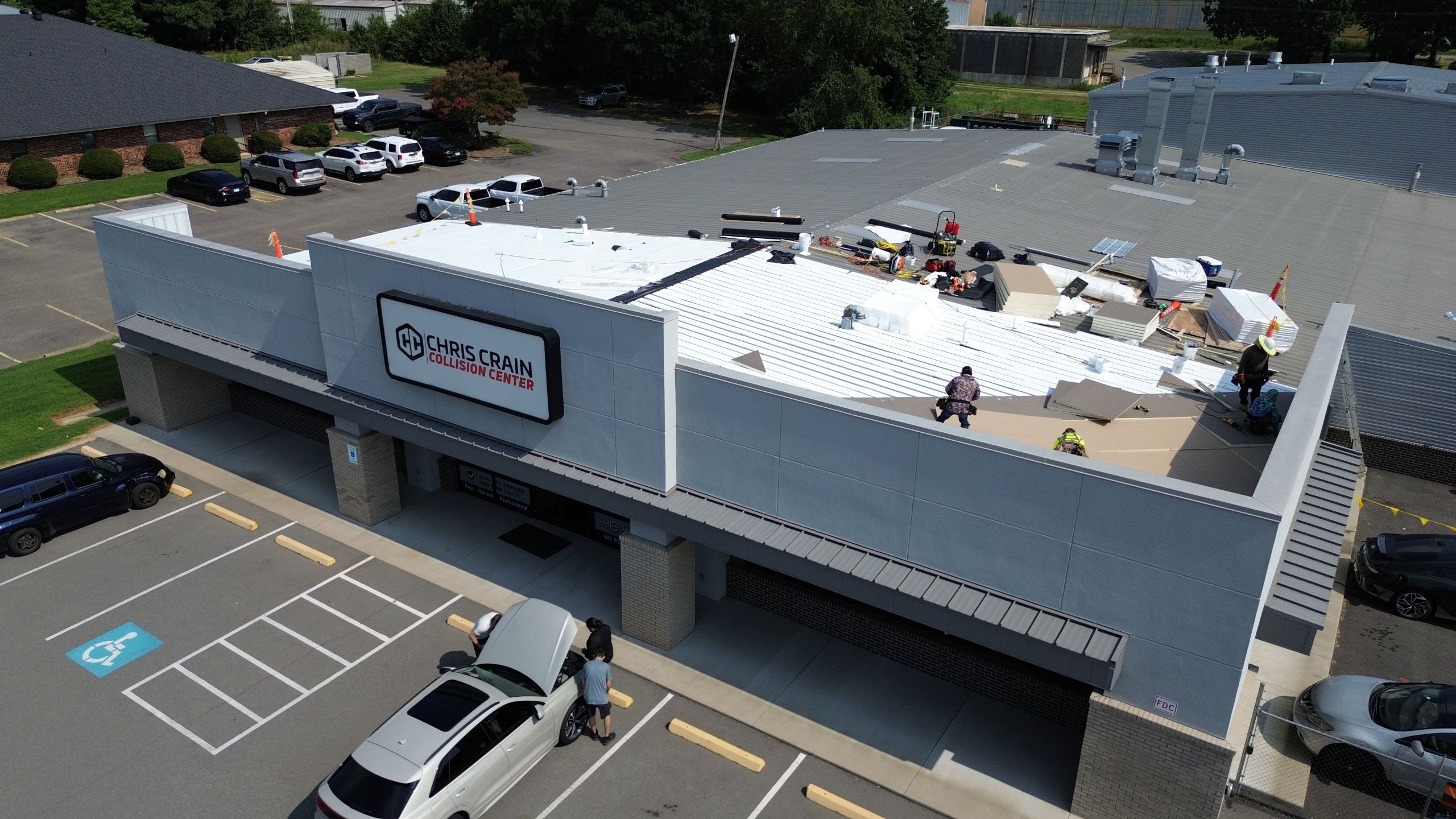
By the time fall arrives, a commercial roof has usually spent months dealing with high temperatures, strong sunlight, storms, and repeated rain. That combination can reveal weaknesses that were not obvious earlier in the year. A professional fall inspection can uncover developing problems before colder weather makes repairs more difficult or a minor defect becomes a major leak.
One of the most common findings during commercial inspections is damage around seams and flashing. These areas are especially important because they help keep water out where roofing materials meet walls, equipment, penetrations, or changes in roof direction. When flashing becomes loose or seals begin to deteriorate, water can find a path into the building.
Another frequent problem is standing or ponding water. Water that remains on a roof after rainfall may indicate poor drainage, blocked drains, damaged components, or an uneven surface. Prolonged moisture exposure can accelerate material deterioration and increase the potential for leaks. Commercial roof maintenance services often include keeping drainage systems clear so water can leave the roof as intended.
How Ice and Freezing Temperatures Can Damage Commercial Roofs
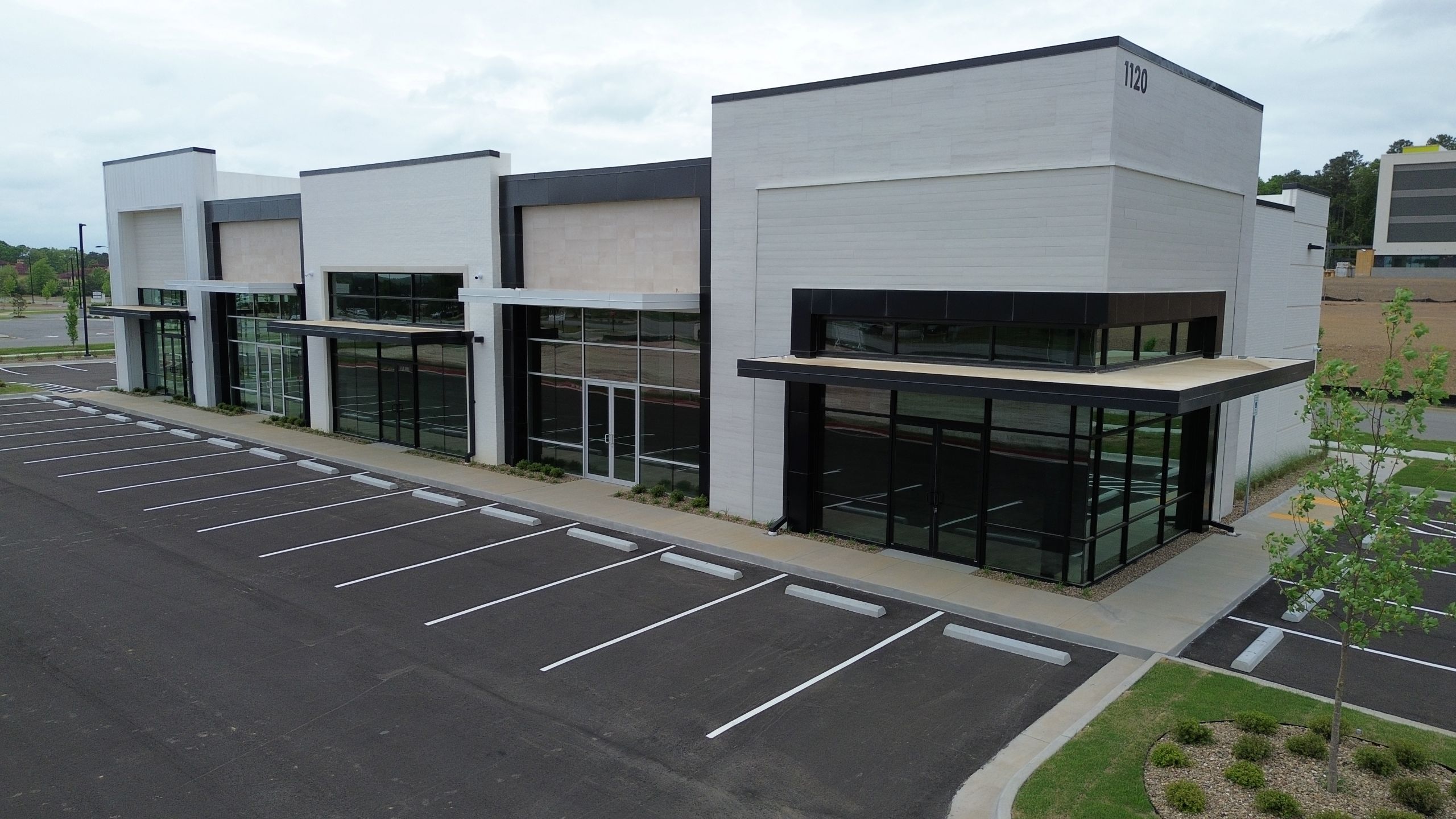
Arkansas winters may not bring freezing temperatures every day, but businesses still need to be prepared for periods of ice, freezing rain, and sudden temperature changes. For commercial and industrial properties, these conditions can put additional stress on roofing systems and expose weaknesses that may have developed throughout the year.
Ice and freezing temperatures can affect roofing materials, drainage systems, flashing, and other components. When existing problems are combined with winter weather, a small roofing issue can quickly become a more serious concern.
Understanding how winter conditions affect commercial roofs can help property owners and facility managers take preventative steps before problems develop.
How UV Exposure Affects Commercial Roofing Systems
Arkansas businesses deal with plenty of challenging weather throughout the year, but one roofing threat that often gets overlooked is the sun. Long hours of direct sunlight and ultraviolet exposure can gradually wear down commercial roofing materials, even when there are no obvious signs of damage from the ground.
For warehouses, manufacturing facilities, distribution centers, offices, and other commercial buildings, prolonged UV exposure can affect the performance and lifespan of the roofing system. Regular inspections and professional roof maintenance services can help identify signs of deterioration before they become expensive repairs.
Understanding how sunlight affects your roof can help you make better decisions about maintenance, repairs, and future roofing investments.
When Should an Industrial Roof Be Repaired Instead of Replaced?
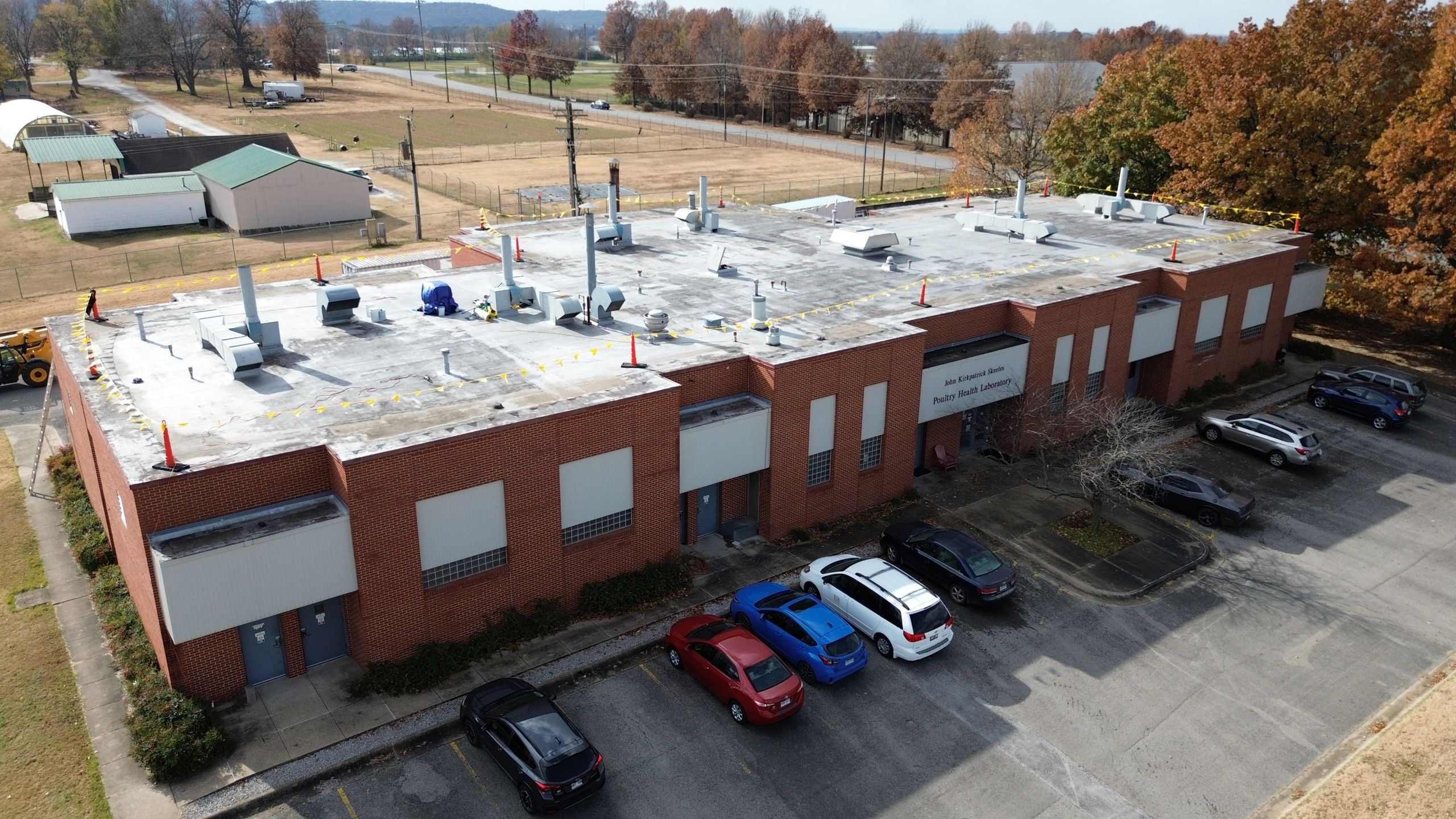
When an industrial roof starts showing signs of damage, one of the first questions facility owners and managers ask is whether they should repair the existing system or invest in a complete replacement. The answer is not always straightforward.
For large commercial and industrial properties, roofing decisions involve more than the cost of fixing a leak. The age of the system, extent of damage, repair history, energy performance, and future needs of the facility all play a role. A professional roof assessment can help property owners understand the condition of the existing roof and make a more informed decision.
Preparing Manufacturing Facilities for Peak Storm Season
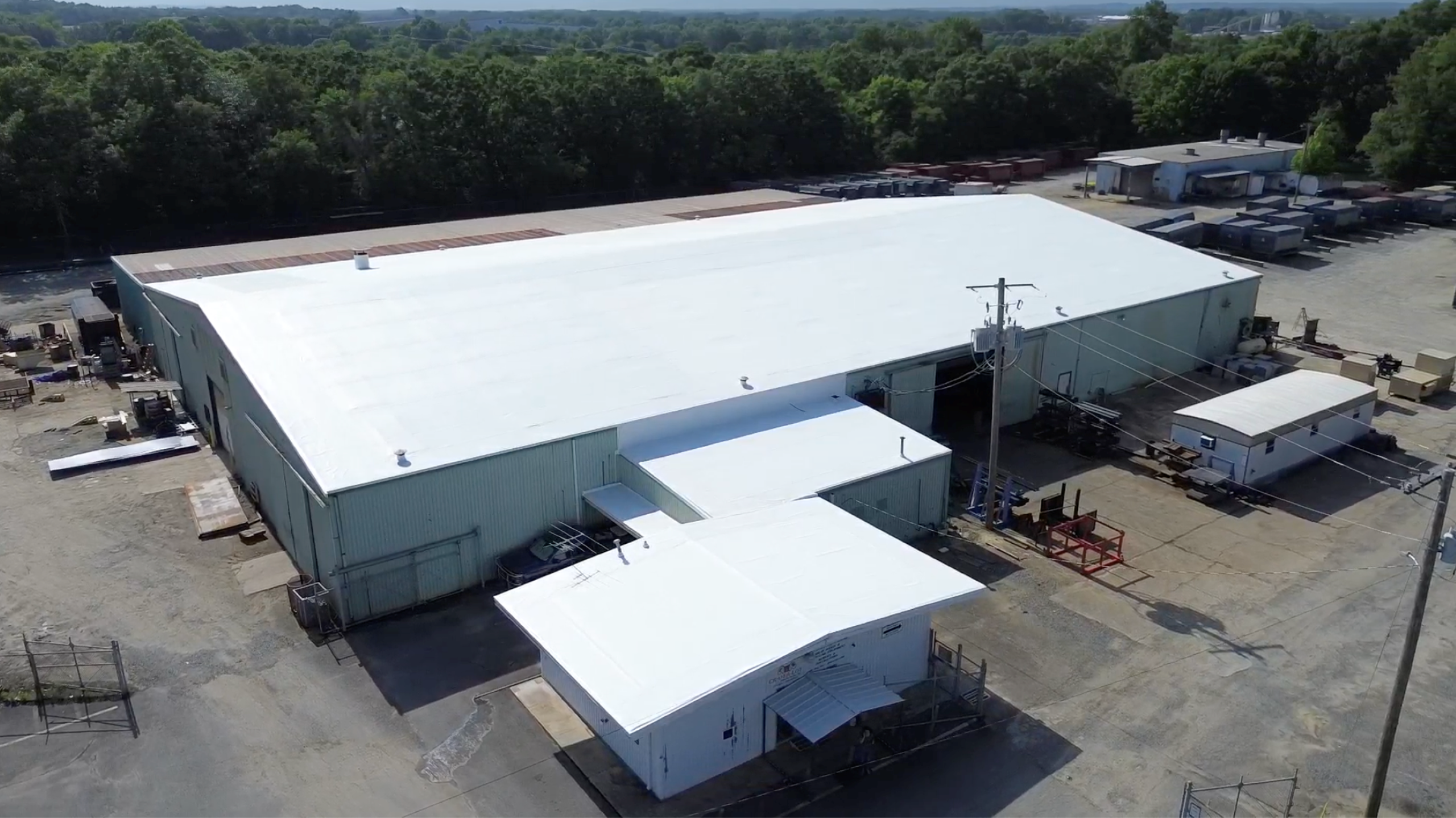
Manufacturing facilities have a lot to protect. From heavy machinery and production equipment to raw materials, finished products, and employees, every part of the operation depends on a building that can handle the demands of Arkansas weather. During peak storm season, heavy rain, strong winds, hail, and severe weather can put significant pressure on large commercial and industrial roofing systems.
For manufacturing businesses, preparing the roof before severe weather arrives is about more than preventing a leak. A roofing problem can interrupt production, damage equipment, affect inventory, and create unexpected expenses. Taking time for a professional roof assessment before storm activity increases can help facility managers identify potential problems and address them while they are still manageable.
Why Experience Matters for Large Commercial Roof Replacements
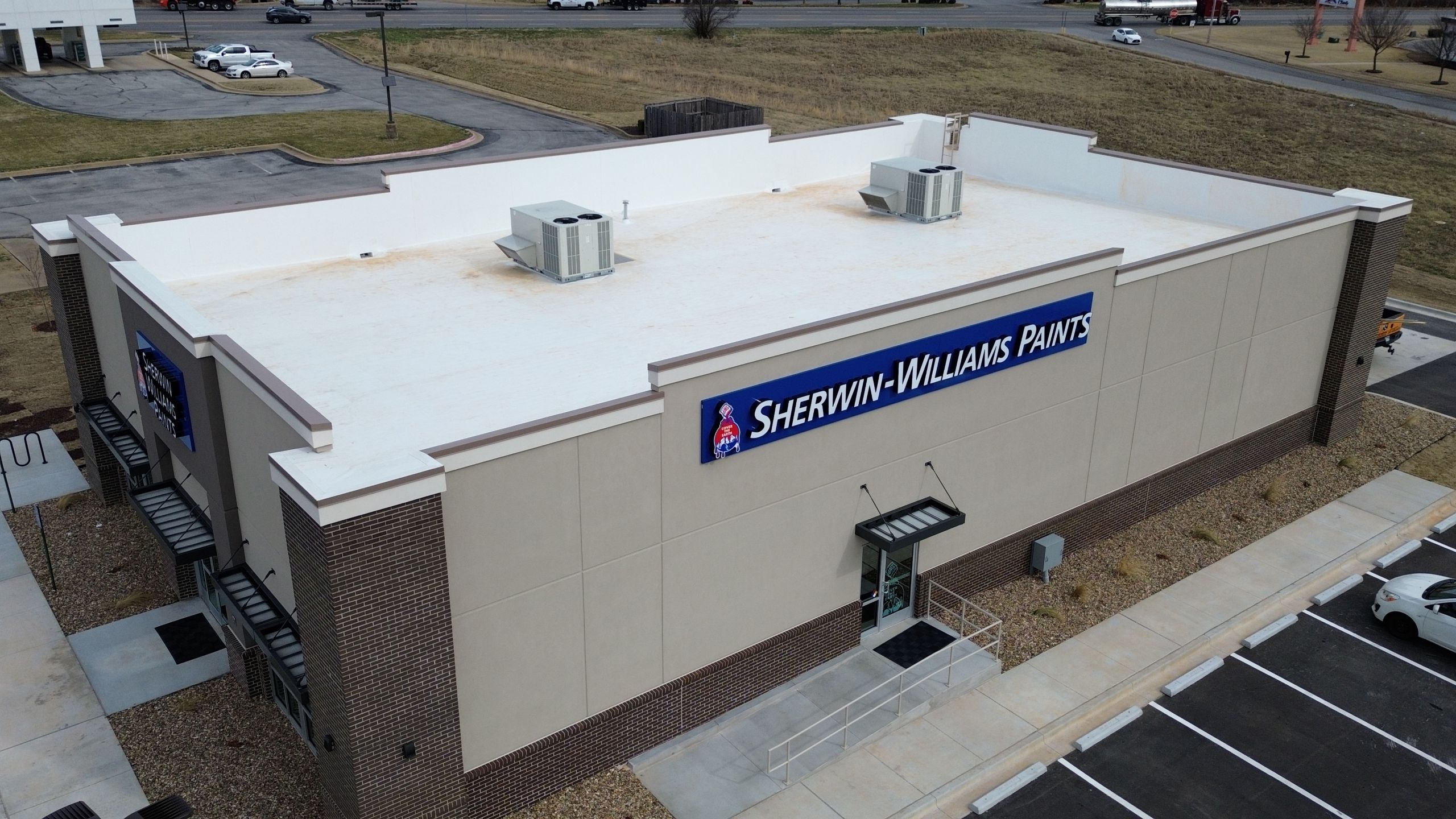
Replacing a commercial roof is one of the biggest investments a business owner or property manager can make. For warehouses, manufacturing facilities, office buildings, distribution centers, and other industrial properties, the roofing system plays a major role in protecting daily operations, inventory, employees, and equipment.
Large commercial roof replacement projects are complex and require much more than basic roofing knowledge. From planning and material selection to safety and installation, every part of the process demands skill and experience. Choosing experienced commercial roof contractors can make the difference between a roofing system that performs reliably for decades and one that creates ongoing problems.
How Fast Response Roof Repairs Protect Your Home and Business
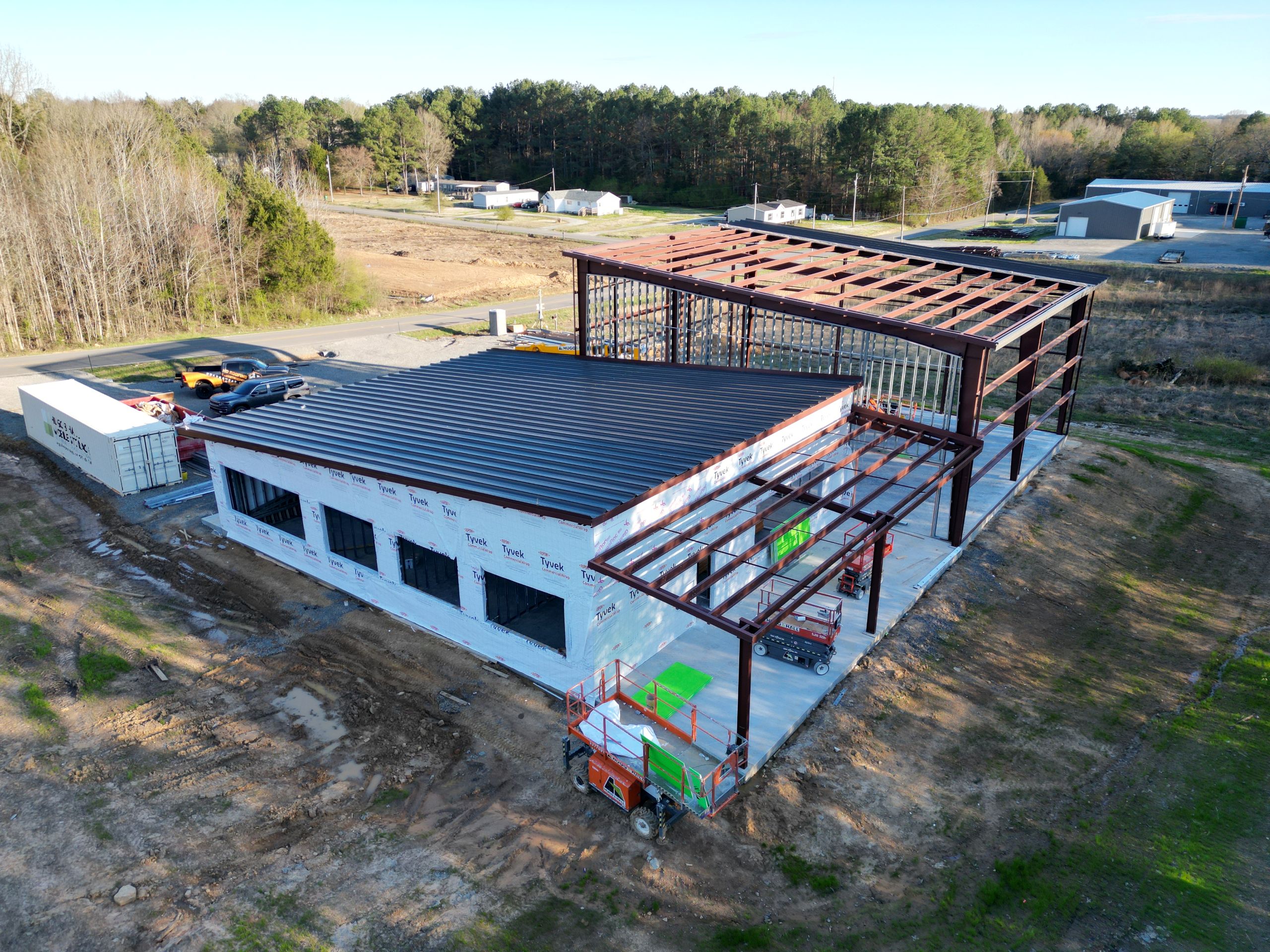
Roof damage rarely happens at a convenient time. A sudden storm, heavy rain, falling debris, or an unexpected leak can quickly create serious problems for both homes and commercial properties. When roofing issues are not addressed quickly, the damage often spreads far beyond the roof itself.
Fast response roof repair services play a major role in protecting homes, businesses, and industrial facilities from long-term structural damage and expensive repairs. Whether it is a leaking roof over a family home or damage to a commercial warehouse, immediate action can make all the difference.

Top Roof Issues Arkansas Homeowners Face
Arkansas weather can be unpredictable, and that unpredictability creates challenges for homeowners year-round. From strong storms and heavy rain to high heat and humidity, roofing systems across the state deal with constant wear and tear. While some roofing problems develop suddenly after severe weather, others build slowly over time without obvious warning signs.
Understanding the most common roofing issues homeowners face can help prevent expensive damage and unexpected repairs. With regular inspections and timely roof repair services, homeowners can protect their property, extend the life of their roof, and avoid major structural problems.

Upgrade Your Roof In The Summer: Here’s Why
Summer is one of the busiest seasons for commercial roofing projects in Arkansas, and for good reason. Warmer temperatures, longer daylight hours, and more predictable weather conditions make summer an ideal time for businesses to invest in roofing improvements. Whether your building needs a complete replacement or an upgrade to improve efficiency, summer provides the perfect opportunity to strengthen your property before future weather challenges arrive.
For commercial and industrial property owners, upgrading a roof is not just about fixing problems. It is about improving performance, reducing long-term costs, and protecting day-to-day operations. Businesses that invest in professional commercial roofing services during the summer often experience fewer disruptions and better long-term results.