
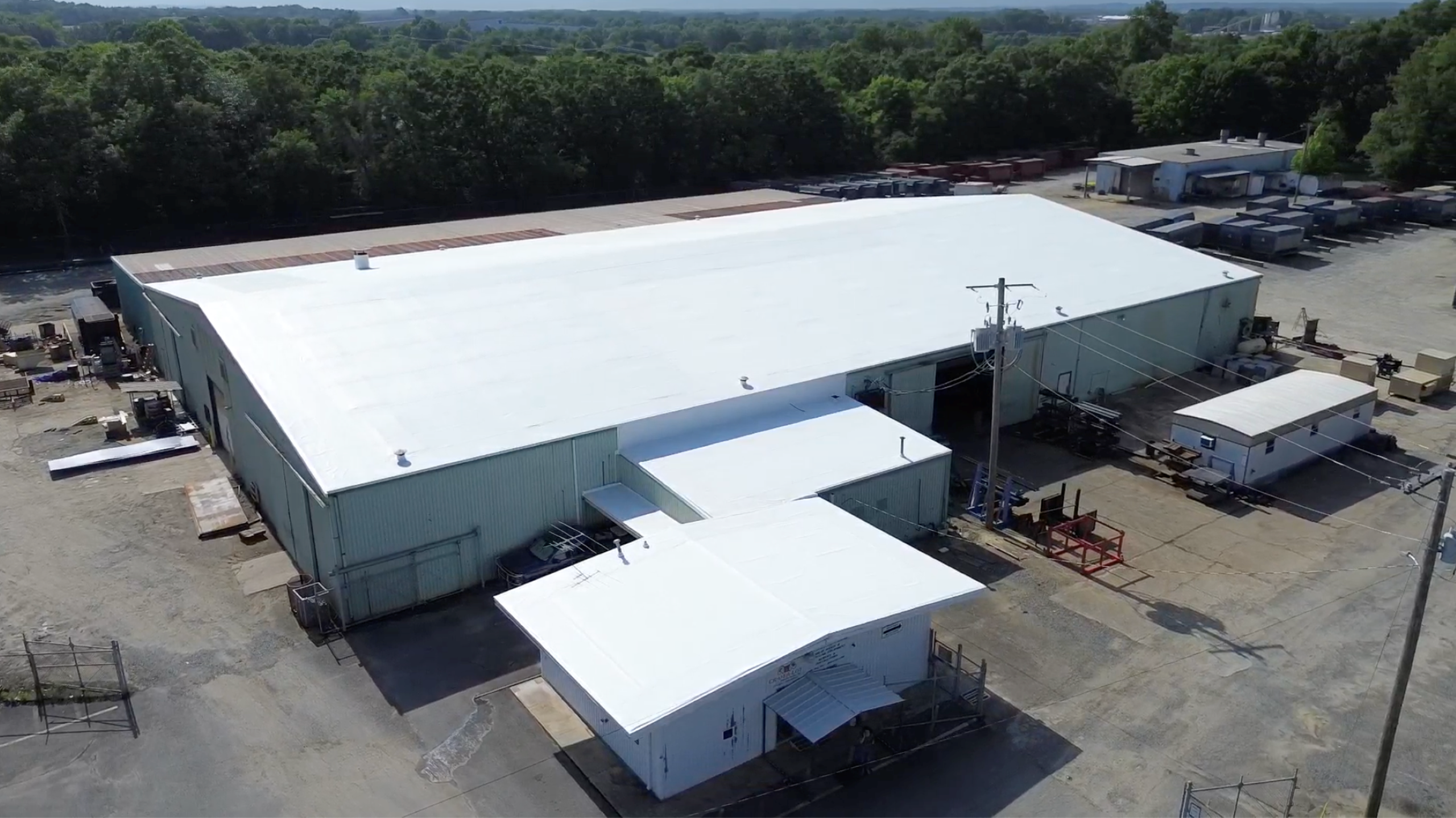
Manufacturing facilities have a lot to protect. From heavy machinery and production equipment to raw materials, finished products, and employees, every part of the operation depends on a building that can handle the demands of Arkansas weather. During peak storm season, heavy rain, strong winds, hail, and severe weather can put significant pressure on large commercial and industrial roofing systems.
For manufacturing businesses, preparing the roof before severe weather arrives is about more than preventing a leak. A roofing problem can interrupt production, damage equipment, affect inventory, and create unexpected expenses. Taking time for a professional roof assessment before storm activity increases can help facility managers identify potential problems and address them while they are still manageable.
Why Storm Preparation Matters for Manufacturing Facilities
Manufacturing buildings often have large roofing systems that cover thousands of square feet. These roofs may also have HVAC equipment, vents, exhaust systems, skylights, drainage components, and other penetrations that require regular attention.
During severe weather, every one of these areas can become a potential weak point.
Strong winds can loosen roofing materials or flashing. Heavy rain can expose drainage problems or allow water through damaged seams. Hail can puncture or weaken roofing materials. When these problems are not addressed, the resulting water damage can reach production areas and valuable equipment. Professional industrial roofing services can help businesses identify vulnerabilities before they become emergencies.
Start With a Professional Roof Assessment
One of the best ways to prepare a manufacturing facility for peak storm season is to have the roof professionally evaluated. A roof assessment gives facility managers a better understanding of the condition of their roofing system and identifies areas that may need maintenance or repair.
A professional assessment may examine:
- Roofing membranes and surface materials
- Seams, flashing, and edge details
- Drains, gutters, and other drainage components
- Rooftop equipment and penetrations
- Signs of moisture or previous leaks
- Areas of deterioration or storm damage
- Structural concerns that could affect roof performance
A commercial roof inspection service can provide valuable information before severe weather puts additional stress on the system.
Pay Close Attention to Drainage
Heavy Arkansas rainfall can create major problems for large industrial roofs when water cannot drain properly. Blocked drains, clogged gutters, damaged scuppers, or poor drainage can allow water to collect on the roof.
Standing water adds weight and can accelerate deterioration of roofing materials. Over time, repeated exposure to ponding water can increase the risk of leaks and other damage.
As part of your storm preparation, make sure drainage systems are clear and functioning properly. Regular roofing services can help identify drainage concerns and address them before heavy rainfall becomes a problem.
Address Small Repairs Before Storms Arrive
A small roofing defect may not appear urgent on a normal day, but severe weather can quickly make it worse.
A minor puncture in a membrane, deteriorated sealant around a roof penetration, or loose flashing can allow water into the building during a heavy storm. Strong winds may also turn an existing weakness into more extensive damage.
Scheduling severe weather roof repair before the next major storm can reduce the likelihood of emergency problems. It is usually easier to address a known issue during normal operating conditions than to deal with extensive damage after a storm.
Protect Equipment and Inventory
Manufacturing facilities often contain expensive machinery, electrical systems, raw materials, and finished products. A roof leak above one of these areas can have consequences far beyond the roofing system itself.
Water can damage machinery, contaminate materials, ruin finished products, and create unsafe working conditions. In some situations, the resulting cleanup and downtime can cost significantly more than addressing the original roofing problem.
That is why reliable industrial roofing services should be considered part of a facility’s overall preventative maintenance strategy.
Inspect Rooftop Equipment and Penetrations
Manufacturing buildings frequently have more rooftop equipment than typical commercial properties. HVAC units, exhaust fans, vents, pipes, and other systems create numerous points where the roof has been penetrated.
These areas need to be inspected carefully because damaged flashing or deteriorated seals can allow water to enter the building.
During a commercial roof inspection, roofing professionals can evaluate these areas and determine whether repairs are necessary. Addressing these details before storm season can help protect the larger roofing system.
Have a Plan for Emergency Repairs
Even a well-maintained roof can experience damage during a particularly severe Arkansas storm. Facility managers should know who to contact if a roofing emergency occurs.
Having an established relationship with a qualified roofing contractor makes it easier to respond when damage happens. Fast severe weather roof repair can help limit water intrusion and reduce the potential for prolonged disruption.
This is particularly important for manufacturing operations that cannot simply shut down for an extended period.
Why Experience Matters for Industrial Roofing
Industrial roofing requires a different level of experience than smaller residential roofing projects. Large facilities often involve specialized roofing systems, extensive drainage networks, rooftop equipment, and operational considerations.
HD Roofing’s commercial team specializes in roof replacements and repairs, including low-slope, TPO, metal, and shingle roofing systems. The company also uses current software and technology to help ensure projects are properly evaluated and installed.
As a locally owned and licensed and bonded company, HD Roofing provides industrial roofing services for Arkansas businesses that need dependable protection from changing weather conditions.
Final Thoughts
Preparing a manufacturing facility for peak storm season is ultimately about being proactive. A professional roof assessment, regular maintenance, and timely severe weather roof repair can help reduce the risk of leaks, equipment damage, production interruptions, and expensive emergency work.
Your roof should be evaluated before a storm exposes a problem, not after.
HD Roofing provides commercial roof inspection services, industrial roofing services, and dependable roofing services for manufacturing facilities and other commercial properties throughout Arkansas.
Contact HD Roofing today to schedule a professional roof assessment and make sure your facility is prepared for the next round of severe weather.